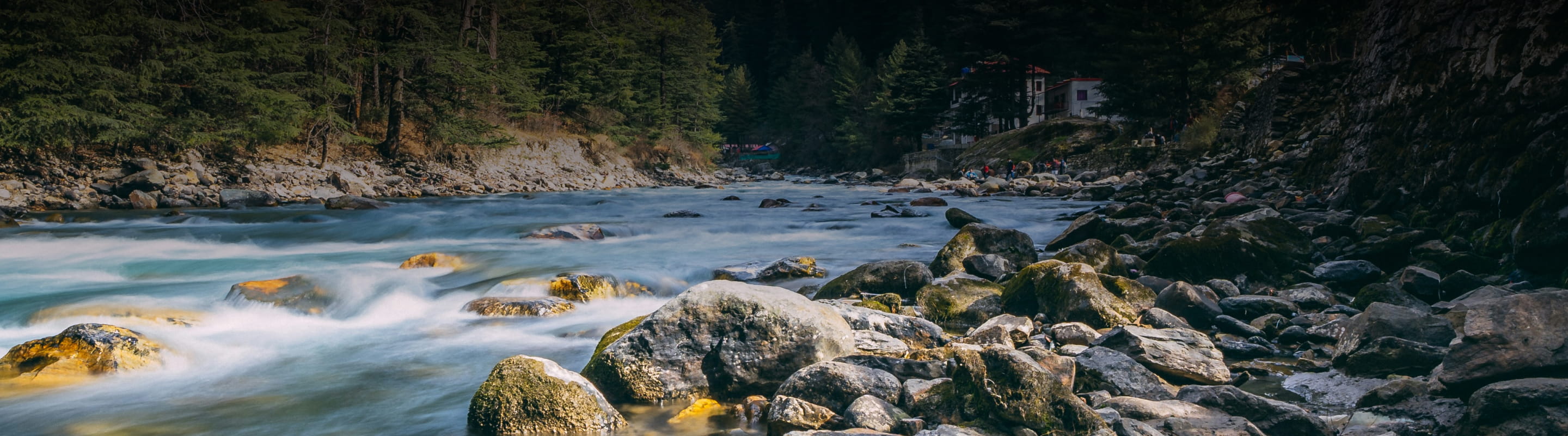
A road trip to Spiti Valley is not for the faint of heart. It is a pilgrimage for the soul, a journey through a high-altitude desert that strips away the ordinary and leaves you humbled by the sheer scale of the Himalayas. You won’t find lush green valleys or crowded tourist spots here. Instead, you'll discover a world of stark, moon-like landscapes, ancient monasteries, and a resilient culture that has thrived in isolation for centuries.
I had always dreamed of this trip, but nothing prepared me for the reality—the bone-rattling roads, the dramatic, ochre-colored mountains, and the profound silence that hangs in the air. If you're ready to test your limits and witness a side of Himachal that few get to see, then pack your bags and get ready for an unforgettable road trip.
Why Spiti? The Land of Middle Earth
Spiti, which translates to "the middle land," is nestled between Tibet and India. It's a land of extremes, with temperatures plummeting in winter and a short window of pleasant weather in summer. Its remoteness has preserved its unique Tibetan Buddhist culture, making it a living museum of ancient traditions and beliefs.
Breathtaking Landscapes: A cold desert with surreal, raw beauty.
Ancient Monasteries: Home to some of the world's oldest and most sacred monasteries.
High-Altitude Adventure: A challenge for every traveler, from the roads to the altitude.
Unique Culture: Experience a world steeped in Tibetan heritage.
Your Spiti Adventure: A Compact & Stylish Itinerary
Getting There: The Spiti circuit can be completed from two sides: the Shimla-Kinnaur route or the Manali route. The Shimla route is highly recommended for first-timers as it offers a gradual ascent, allowing your body to acclimatize to the high altitude. The Manali route is more direct but can be dangerous due to the sudden gain in altitude.
Tips for a Smooth Trip: Acclimatize & Prepare
Acclimatize, Acclimatize, Acclimatize: This is non-negotiable. Acute Mountain Sickness (AMS) can ruin your trip. Spend your first few nights at a lower altitude before heading to Kaza.
Pack Layers: The weather changes in a heartbeat. Pack thermals, fleece jackets, and a good down jacket, even in summer. The nights are always cold.
Stay Hydrated: Drink plenty of water and avoid alcohol to help your body cope with the altitude.
Carry Essentials: Medicines for AMS (consult a doctor), a high-SPF sunscreen, lip balm, and a power bank are crucial.
A Sample Itinerary (8-9 Days): The Shimla-Kinnaur Route
Day 1-2: The Gateway to the Himalayas
Tip 1: Shimla to Sangla. Begin your journey from Shimla and drive towards Sangla in the beautiful Kinnaur Valley. The road follows the Sutlej River, offering scenic views and a gradual climb. Spend a night in Sangla, a picturesque valley with apple orchards and traditional wooden houses.
Tip 2: Chitkul - The Last Village. A short but stunning drive from Sangla will take you to Chitkul, the last inhabited village on the Indo-Tibet border. The views of the Baspa River and the surrounding mountains are spectacular.
Day 3-4: Entering the Cold Desert
Tip 3: The Drive to Nako. Leave the green valleys of Kinnaur behind as you enter Spiti. The landscape changes dramatically to a barren, desert-like terrain. Stop at Nako village, a beautiful hamlet with an ancient monastery and a sacred lake.
Tip 4: Discover Tabo and Dhankar. On your way to Kaza, visit the Tabo Monastery, also known as the "Ajanta of the Himalayas." Its 1000-year-old murals are a wonder to behold. Afterward, a short detour to the Dhankar Monastery, perched precariously on a cliff, offers breathtaking views of the Spiti and Pin River confluence.
Day 5-6: Kaza & The Highest Villages
Tip 5: Settle in at Kaza. Kaza is the administrative headquarters of Spiti and the perfect base for exploring the region. Check into a guesthouse or a homestay and spend the evening exploring the local market.
Tip 6: Visit Komik, Hikkim, and Langza. This is the highlight for many. Take a day trip to these high-altitude villages. Komik is one of the highest villages in the world, Hikkim is home to the world's highest post office, and Langza boasts a giant Buddha statue and is famous for fossils. Don't forget to send a postcard from Hikkim!
Tip 7: The Iconic Key Monastery. A short drive from Kaza, this iconic monastery is the most photographed spot in Spiti. Perched on a hilltop, it looks like a fort in a fantasy movie. Walk around, interact with the monks, and soak in the spiritual energy.
Day 7-8: The Grand Exit
Tip 8: Head to Chandratal Lake. This is your final stop before you head to Manali. The "Moon Lake" is a stunning sight, a crescent-shaped lake that changes color throughout the day. Camp near the lake and enjoy the incredible star-gazing.
Tip 9: The Journey to Manali. The final leg of your journey takes you over the Kunzum Pass and through the newly opened Atal Tunnel to Manali. The views are epic, but the roads are challenging. It’s a fitting end to a trip of a lifetime.
Final Thoughts on Spiti
A trip to Spiti Valley is not just about ticking off places from a list. It’s about the journey itself—the difficult roads, the breathtaking views, and the genuine warmth of the Spitian people. It’s a destination that will challenge you, humble you, and leave you with a sense of accomplishment and awe that you won’t find anywhere else.