Photography Expeditions: Capturing India's Diverse Landscapes
Sep 14, 2025
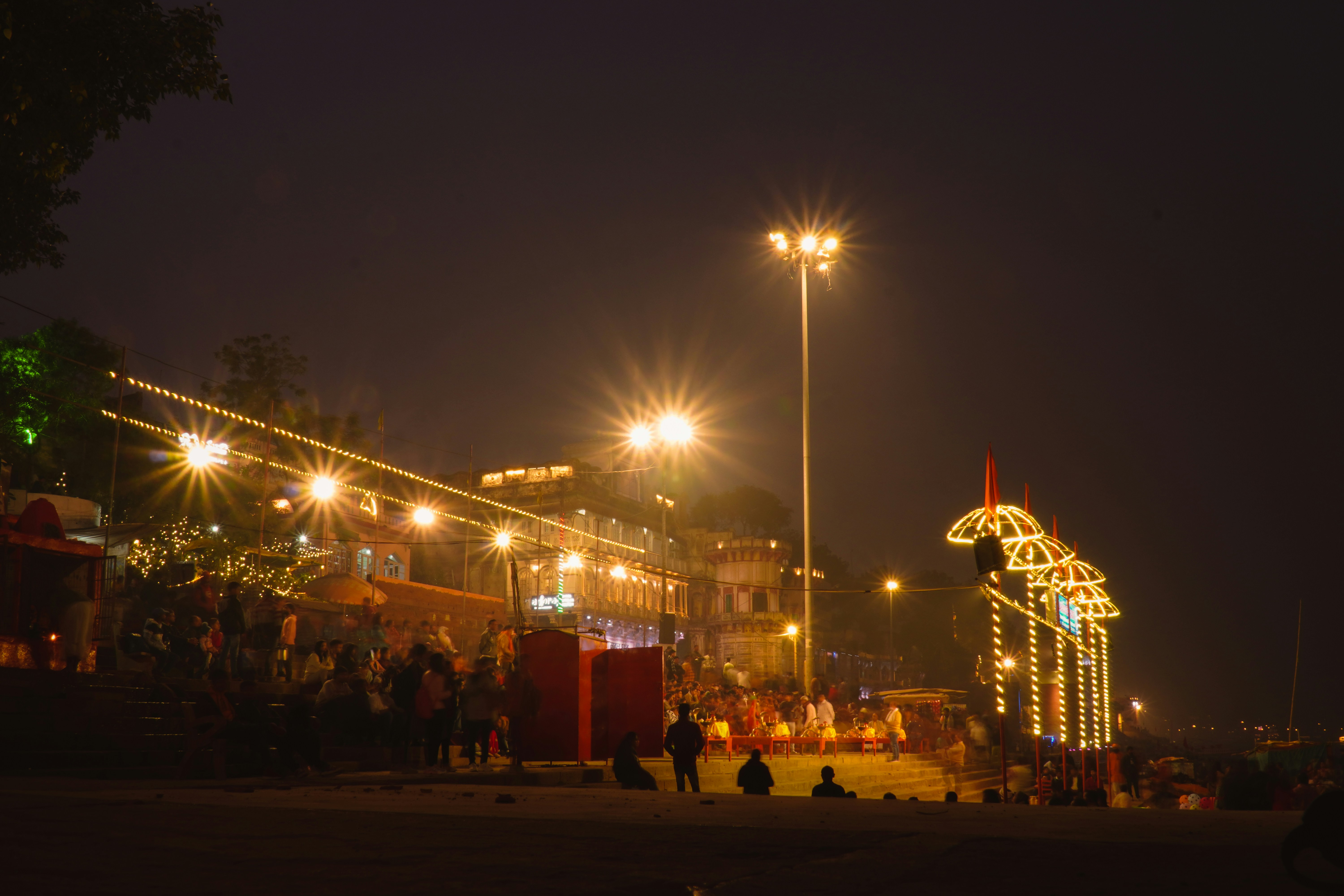
India is a photographer's dream. It’s a canvas so vast and varied that no single lens can capture it all. From the snow-dusted peaks of the Himalayas to the golden sands of the Thar Desert, from the misty backwaters of Kerala to the bustling streets of Varanasi—every frame tells a unique story.
This isn't just about taking pictures; it's about seeing the world differently. It’s about chasing the perfect light, waiting for the right moment, and capturing the soul of a place. I’ve spent years exploring and photographing India, and each journey has been a masterclass in composition, color, and storytelling.
If you’re ready to move beyond snapshots and truly capture the essence of this incredible country, this guide is your roadmap. It's a journey designed not by destinations, but by light, moments, and the incredible diversity of India's landscapes.
Why India? The Ultimate Photographer's Playground
India is a visual feast for a photographer. Its diversity in culture, people, and landscapes is unparalleled. This guide focuses on three distinct regions that offer completely different photographic opportunities.
The Himalayas: Breathtaking landscapes, dramatic light, and a serene, spiritual atmosphere.
Rajasthan: Vibrant colors, majestic forts, and a rich cultural tapestry.
Kerala: Tranquil backwaters, lush greenery, and a slower, more deliberate pace.
Your India Photo Safari: A Compact & Stylish Itinerary
Gear Up: A standard DSLR or mirrorless camera with a versatile zoom lens (like a 24-70mm) is a great start. A telephoto lens (70-200mm or more) is perfect for wildlife and distant shots, while a wide-angle lens is essential for grand landscapes.
The Himalayan Canvas: Spiti Valley & Ladakh
Tip 1: Chase the Light. The high-altitude deserts of Ladakh and Spiti offer a photographer's paradise. The light is incredibly clear and dramatic. Shoot during the 'golden hours'—sunrise and sunset—when the mountains are painted in brilliant hues. The midday light is harsh, but you can use it to create stark, high-contrast black-and-white images.
Tip 2: Focus on Monasteries and Faces. The Buddhist monasteries, with their vibrant prayer flags and maroon-robed monks, offer a fantastic opportunity for cultural portraits and architectural shots. Be respectful and always ask for permission before taking a photo.
Tip 3: The Starry Night Sky. The remote, clear skies of the Himalayas are perfect for astrophotography. A tripod and a wide-angle lens are a must. Frame your shot with a monastery or a mountain silhouette for a more powerful composition.
The Desert Palette: Jodhpur & Jaisalmer
Tip 4: The Blue City's Contrast. In Jodhpur, the vibrant blue houses offer a perfect contrast to the golden sandstone of Mehrangarh Fort. Shoot from the fort's ramparts for a wide-angle shot of the city, or get lost in the narrow lanes to capture candid shots of daily life. The afternoon sun makes the blue pop.
Tip 5: Capture the Living Fort. Jaisalmer Fort is a photographer's dream. The golden light of morning and evening makes the fort glow. Inside, focus on the intricate details of the havelis (mansions) and the portraits of the local people going about their daily lives.
Tip 6: The Golden Hour in the Sand. A desert safari provides a unique opportunity. Capture the long shadows and dramatic dunes during sunrise or sunset. The textures of the sand, the silhouettes of camels, and the endless horizon create stunning, minimalist compositions.
The Green Serenity: Kerala's Backwaters
Tip 7: The Reflections. The backwaters of Alleppey are all about reflections. The calm water acts as a mirror, doubling the beauty of the palm trees, houseboats, and village life. Shoot early in the morning when the water is calm and the mist hangs in the air.
Tip 8: The Human Element. Capture the lives of the people who live along the backwaters. A fisherman casting his net, a woman in a canoe, or children playing on the banks. These candid moments add a powerful narrative to your photos. Use a longer lens to capture these from a distance without disturbing the scene.
Tip 9: Lush Green Details. Don't forget the details. The vibrant green of the paddy fields, the delicate flowers, and the rich textures of the coconut trees. Macro photography can be a great way to capture these small, beautiful moments.
General Photography Tips for India
Be Respectful: Always be polite. A simple "Namaste" or a smile can go a long way. If you want to photograph a person, ask for their permission first.
Be Patient: The best shots are often those you wait for. Be patient and observe.
Back Up: Always carry extra memory cards and a portable hard drive or a laptop to back up your photos every day.
Protect Your Gear: Dust and moisture can be a problem. Use lens cleaners, a dust blower, and a waterproof camera bag.
Final Thoughts on Photography in India
India is a place that will challenge and inspire you. It will teach you to see beauty in chaos, to find a story in every face, and to appreciate the incredible diversity of our world. So, pack your bags, charge your batteries, and get ready for a photographic journey that will not only fill your memory cards but also your soul.